

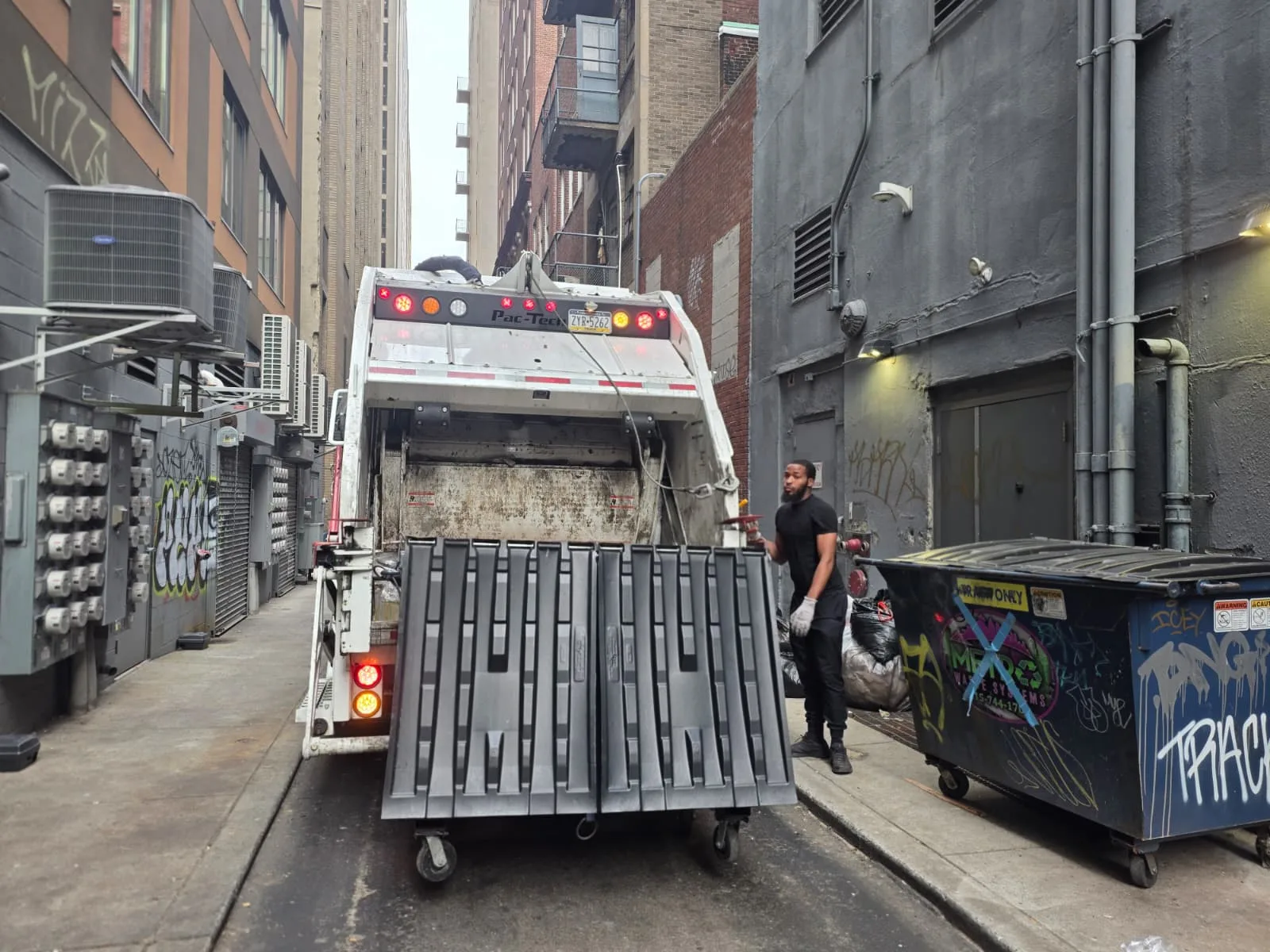
Why multi-tenant waste bills creep upward
Net operating income at apartment communities, strip retail centers, and mixed-use portfolios takes a quiet hit every month from waste line items that were set years ago and never revisited. Container sizes frozen at build-out, duplicate service contracts per tenant, zero recycling diversion, and emergency overflow hauls stack into six-figure annual spend across a mid-size portfolio — money that never appears on a capital plan because it hides in operating expenses.
This guide from Metro Waste Solutions outlines practical levers property managers and asset teams use to lower commercial waste cost without sacrificing compliance or tenant satisfaction. Every strategy below is available through our commercial waste services and property manager program.
Audit before you optimize
Pull twelve months of invoices for every address. Note container size, pickup frequency, tonnage, overage charges, and contamination fees. Walk each enclosure with site staff and photograph overflow events, illegal dumping, and locked gates that block trucks. You cannot right-size blind — data plus field observation reveals whether you are paying to haul air or paying twice because boxes are too small.
Our account team helps portfolio clients normalize data during onboarding. Submit a service request with your property list or call +1 215-744-1700 to start a no-obligation review.
Right-size containers and frequency
The cheapest container is not the smallest — it is the one that matches actual generation between pickups without overflow. A four-yard dumpster emptied daily may cost more than a six-yard emptied twice weekly. Seasonal retail tenants need temporary upsizing during peak; student housing may need adjustment at move-in and move-out.
When renovation season hits, pair permanent collection with short-term roll-off containers so tenant improvement debris does not land in shared enclosures. Our contractor pricing structure bundles roll-off swaps for active jobsites — useful when your capital projects team runs multiple units simultaneously.
Recycling diversion that actually moves the needle
Cardboard alone can represent thirty to fifty percent of volume at retail-ground-floor properties. Dedicated recycling service with clear tenant labeling pulls that weight out of the trash stream, often reducing trash haul frequency within one quarter. Mixed-use buildings should separate retail cardboard streams from office paper to minimize contamination rejections.
Philadelphia commercial properties face recycling expectations from the city — running a visible, active program protects you during inspections. Read our compliance guide for property managers for documentation tips that pair with cost savings.
Consolidated billing and one hauler strategy
Multiple haulers at one address means multiple minimum charges, overlapping truck visits, and enclosure damage nobody owns. Consolidating to one carrier with portfolio-level billing cuts administrative cost and gives you leverage to negotiate volume-based rates. Metro Waste's property manager program delivers one invoice, dedicated account management, and consistent service standards at every location in your service area.
Switching carriers sounds painful — it is not when coordinated properly. Our new account credit and transition checklist prevent service gaps during the changeover week.
Compactors for high-volume pads
When shared enclosures serve grocery anchors or big-box tenants, compactors reduce haul count and control odors. Capital cost is real, but payback often lands under three years on high-volume pads. Model compactor economics against current dumpster haul count before approving tenant build-out allowances.
Stop paying for other people's trash
Unlocked enclosures invite illegal dumping from neighboring businesses and residents. Overflow invites it too. Lock bars, cameras, and proactive swap schedules on roll-off boxes during cleanout weeks close the gap. Train site staff to report contamination the same day — catching a load of prohibited material before the truck arrives avoids rejected haul fees.
After-hours overflow at restaurants and retail may need schedule adjustments rather than bigger boxes. See our after-hours removal guide for scheduling options that keep lots presentable without adding daily hauls.
Tenant education and lease language
Update lease exhibits to specify waste responsibilities, prohibited items, and enclosure rules. Send quarterly memos with photos of correct recycling separation. During tenant onboarding, walk every operator to the enclosure — not just email a PDF they never open. Strong language plus visible signage beats angry emails after a missed pickup.
Questions about acceptable materials? Our FAQ covers common items; dispatch handles edge cases daily.
Benchmark, report, repeat quarterly
Set cost-per-unit or cost-per-square-foot targets and review quarterly with asset managers. Flag properties more than fifteen percent above portfolio average for site visits. Celebrate wins when recycling diversion or right-sizing drops a property a full container class — those savings recur every month.
Explore more tactics on the Metro blog, including front vs rear load selection and roll-off sizing for renovation season.
Technology, tracking and vendor scorecards
Modern portfolio teams track waste cost in the same dashboard as utilities and insurance. Export haul invoices monthly and tag each line to a property code — surprises show up when one address spikes twenty percent without a occupancy change. Score your hauler on response time to missed pickups, contamination callbacks, and billing accuracy. A low rate per haul means nothing if overflow calls happen every holiday weekend.
Metro Waste provides weight visibility and dedicated account contacts for portfolio clients so you are not parsing generic PDF invoices alone. Pair that data with site walk results and you have a defensible case for container changes at the next budget meeting — or for switching vendors when performance slips.
Partner with a hauler built for portfolios
Metro Waste Solutions is locally owned in Philadelphia with a 27-truck fleet, 24/7 dispatch, and programs designed for managers who run more than one address. View active promotions on our offers hub, learn about us on the About page, or call +1 215-744-1700 to schedule a portfolio waste audit today.